

23 July 2026
Property Renting: A Complete Guide for Tenants and Landlords
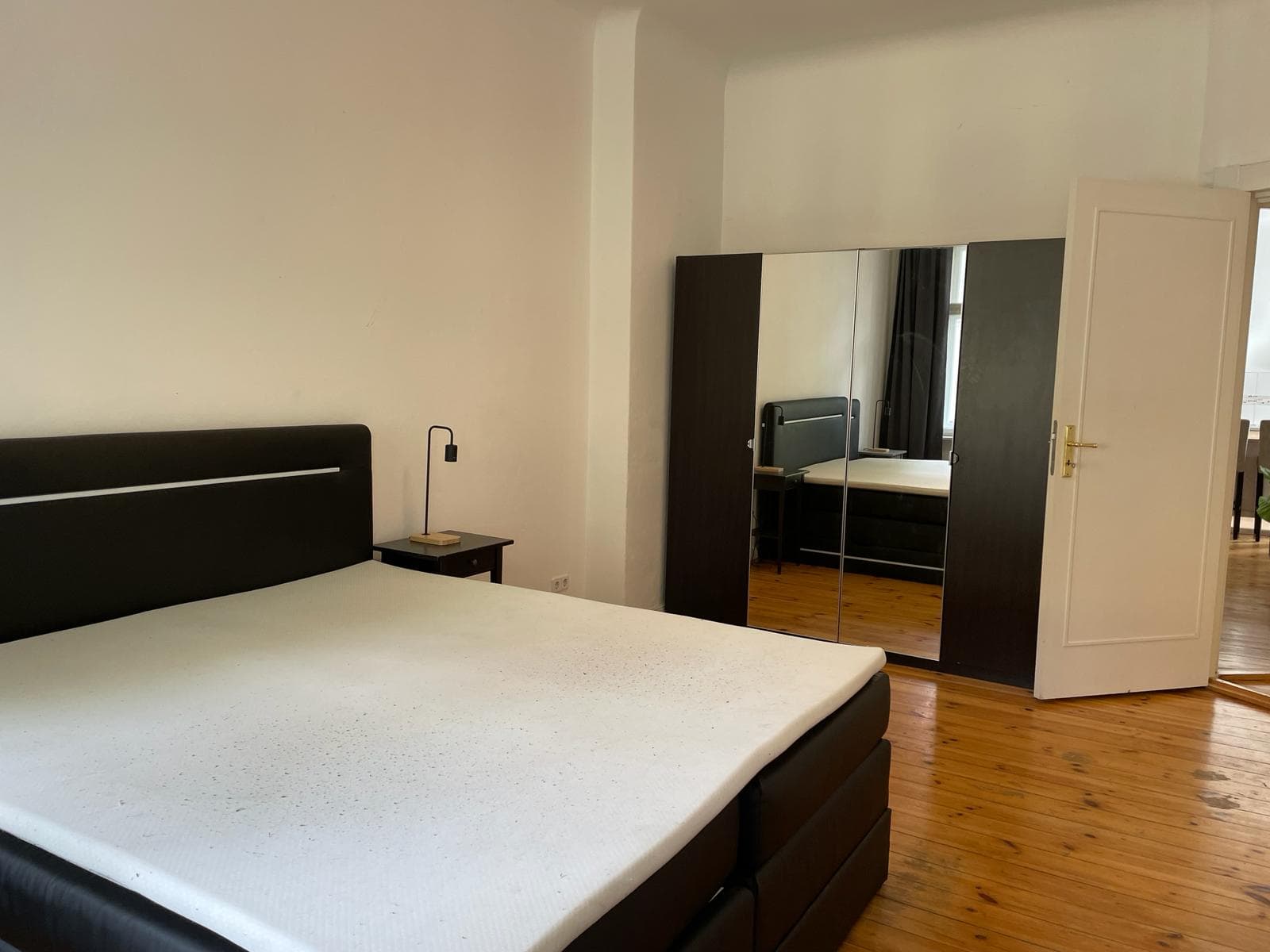
Looking to rent a property? Discover everything you need to know about property renting, from choosing the right home and understanding lease agreements to tips for landlords and current rental market trends. This guide helps both tenants and property owners make informed decisions for a smooth and successful rental experience.
Introduction
Property renting has become one of the most practical housing solutions for millions of people worldwide. Whether you're relocating for work, studying in a new city, or looking for flexibility without the commitment of buying a home, renting offers convenience and affordability. At the same time, property owners can generate a steady income by leasing their residential or commercial properties.
Understanding the rental process, your rights and responsibilities, and current market trends can help both tenants and landlords enjoy a smooth and successful rental experience.
What Is Property Renting?
Property renting is a legal agreement where a property owner (landlord) allows another person (tenant) to use a property for a specified period in exchange for regular rent payments. The agreement is usually documented through a lease or rental contract that outlines the terms, conditions, payment schedule, and responsibilities of both parties.
Properties available for rent include:
Apartments
Houses
Condominiums
Commercial offices
Retail shops
Warehouses
Vacation rentals
Benefits of Renting a Property
1. Greater Flexibility
Renting allows individuals to relocate more easily without the long-term financial commitment of purchasing a property. This is especially beneficial for professionals, students, and families who may need to move frequently.
2. Lower Initial Costs
Compared to buying a property, renting usually requires only a security deposit and the first month's rent, making it more affordable upfront.
3. Reduced Maintenance Responsibility
In most rental agreements, landlords handle major repairs and structural maintenance, allowing tenants to avoid unexpected repair expenses.
4. Access to Better Locations
Renting can provide access to neighborhoods or city centers where purchasing property may be financially out of reach.
Benefits of Renting Out Property
For landlords, renting can provide several financial advantages:
Consistent monthly income
Long-term wealth generation
Property value appreciation
Tax benefits (depending on local laws)
Diversified investment portfolio
With proper management and reliable tenants, rental properties can become an excellent source of passive income.
Things to Consider Before Renting
Choose the Right Location
Location affects convenience, safety, transportation, schools, healthcare, and overall quality of life. Consider proximity to:
Public transportation
Schools and universities
Hospitals
Shopping centers
Parks and recreational areas
Workplaces
Understand the Lease Agreement
Always read the lease carefully before signing. Ensure it clearly states:
Monthly rent
Payment due dates
Security deposit
Lease duration
Maintenance responsibilities
Pet policies
Utility payments
Renewal terms
Notice period for termination
Inspect the Property
Before moving in, inspect the property for any existing damage. Document issues with photos and notify the landlord to avoid disputes when moving out.
Know Your Budget
Experts generally recommend spending no more than 30% of your monthly income on housing expenses. Remember to account for utilities, internet, parking, and other recurring costs.
Tips for Landlords
Screen Tenants Carefully
A thorough tenant screening process helps reduce risks. Consider:
Employment verification
Income confirmation
Rental history
References
Credit checks (where applicable)
Maintain the Property
Well-maintained properties attract quality tenants and reduce vacancy periods. Regular inspections and timely repairs improve tenant satisfaction.
Set Competitive Rental Prices
Research similar properties in your area to determine a fair rental rate. Overpricing can increase vacancy, while underpricing reduces profitability.
Communicate Clearly
Professional communication builds trust and helps resolve maintenance requests or lease-related concerns quickly.
Common Mistakes to Avoid
For Tenants
Signing a lease without reading it
Ignoring property inspections
Missing rent payments
Failing to report maintenance issues
Violating lease terms
For Landlords
Skipping tenant screening
Neglecting property maintenance
Using vague lease agreements
Delaying repairs
Not documenting property condition
Rental Market Trends
The rental market continues to evolve due to changing lifestyles, urbanization, and remote work opportunities. Some notable trends include:
Increased demand for flexible lease options
Growth in fully furnished rental properties
Smart home features becoming more desirable
Digital property viewings and online lease signing
Greater emphasis on energy-efficient homes
Staying informed about market trends helps both landlords and tenants make better decisions.
How Technology Is Improving Property Renting
Modern technology has simplified nearly every aspect of the rental process. Today, renters can:
Search listings online
Schedule virtual tours
Submit digital applications
Sign lease agreements electronically
Pay rent securely online
Report maintenance requests through mobile apps
Landlords also benefit from property management software that streamlines tenant communication, rent collection, maintenance scheduling, and financial reporting.
Final Thoughts
Property renting offers flexibility, convenience, and financial opportunities for both tenants and landlords. Whether you're searching for your next home or looking to generate rental income from an investment property, understanding the rental process is essential.
By choosing the right property, carefully reviewing lease agreements, maintaining open communication, and staying informed about market trends, both parties can enjoy a positive and rewarding rental experience.
A successful rental relationship is built on trust, transparency, and mutual responsibility—creating benefits that extend well beyond the lease itself.